As manufacturers place greater emphasis on sustainable manufacturing, the discussion often centers on energy consumption and carbon reduction. However, sustainability in production is not only about using less power. It is also about using materials, machine time, and labor more efficiently.
In precision manufacturing, this makes waste reduction an important part of sustainability. Scrap, rework, and unstable output all increase resource consumption and reduce overall production efficiency. Because grinding directly affects final part quality, it also plays a critical role in determining how much waste is generated during production.
Sustainable Manufacturing Is Also About Reducing Production Waste
A sustainable production process should not only lower energy use, but also reduce unnecessary material loss. When a workpiece is rejected at the final stage, the loss includes more than the raw material itself. It may also include previous machining time, labor, coolant usage, inspection effort, and occupied machine capacity.
For this reason, reducing scrap is not simply a quality objective. It is also a practical way to improve resource efficiency in manufacturing.
You May Be Interested In:
How Can Grinding Processes Reduce Energy Consumption: Equipment Efficiency and Production Optimization
Why Grinding Has a Direct Impact on Waste Reduction
Grinding is often one of the final processes before inspection or assembly. If problems appear at this stage, the value created in earlier operations may be lost. This is why grinding has a direct effect on production yield and waste control.
A stable grinding process helps manufacturers reduce:
- Scrapped workpieces
- Rework and corrective machining
- Unnecessary material consumption
- Lost production time
In high-value applications, even a small reduction in rejection rates can make a meaningful difference in both cost control and sustainability performance.
Consistent Output Supports More Sustainable Production
Sustainable manufacturing is not only about increasing speed. A process that produces quickly but creates avoidable scrap is not truly efficient. What manufacturers need is consistent output that can maintain quality while minimizing unnecessary loss.
When grinding performance remains stable over time, manufacturers are better able to improve first-pass yield, reduce process interruptions, and make better use of available production resources. This helps create a more efficient and sustainable manufacturing process overall.
How Tong Yi Supports Sustainable Manufacturing
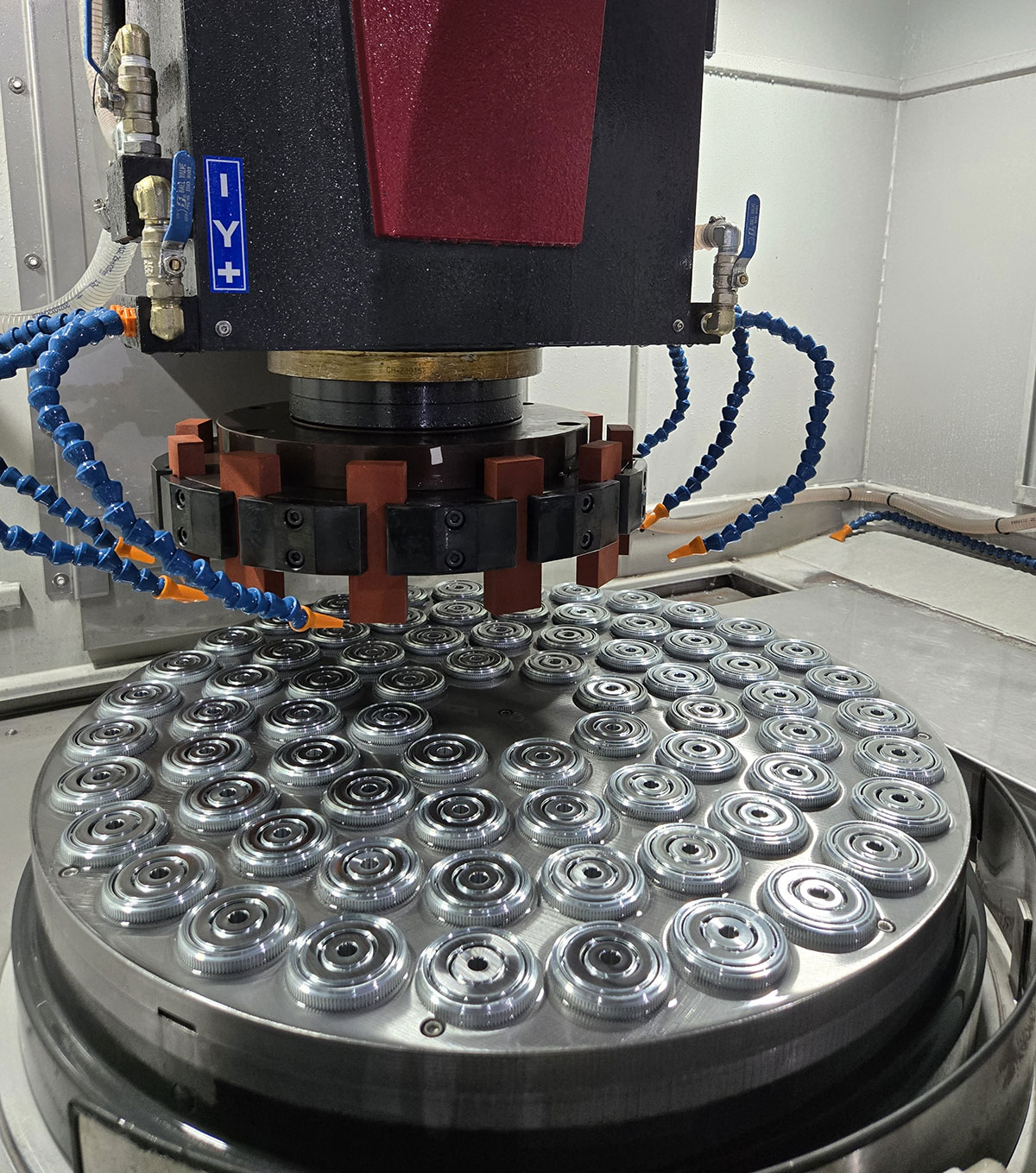
Tong Yi grinding machines are designed to support stable and reliable machining performance in precision production environments. By helping manufacturers maintain consistent output, Tong Yi supports lower rework risk, improved production yield, and better resource utilization.
For manufacturers pursuing sustainable manufacturing goals, the value of grinding equipment is not only in machining capability, but also in its ability to support efficient production with less waste.
Grinding as Part of a More Sustainable Manufacturing Strategy
Sustainable manufacturing goes beyond energy savings. It also requires manufacturers to reduce scrap, improve resource efficiency, and increase the proportion of qualified output.
Because grinding directly affects final part acceptance, it plays an important role in waste reduction and production efficiency. As a result, precision grinding should be viewed as an essential part of a more sustainable manufacturing strategy.
Tong Yi Grinding Machines — Supporting stable grinding performance for more efficient and sustainable manufacturing.